
How to Connect with Restaurant Recruiters
Want to land top restaurant management jobs? Start with recruiters.
Recruiters are the key to accessing hidden opportunities in the fast-moving restaurant industry. Many leadership roles, like general managers or district managers, are filled before they even hit public job boards. By building relationships with recruiters, you gain access to exclusive roles, personalized career advice, and industry insights.
Here’s how to make it happen:
- Create a standout resume: Highlight measurable achievements, leadership skills, and certifications like ServSafe.
- Optimize your LinkedIn profile: Use keywords like "restaurant operations" and engage with industry groups to increase visibility.
- Use platforms like RR Guy: Upload your resume, set job alerts, and explore tailored management opportunities.
- Network in person: Attend industry events, job fairs, or local restaurant association meetings to connect directly with recruiters.
- Leverage referrals: Ask colleagues or mentors for introductions to recruiters or hiring managers.
Consistency and follow-ups are crucial. Stay in touch with recruiters, share updates on your career, and maintain an active presence in the industry. These steps can open doors to leadership positions and long-term career growth.
How to Get a Job in Hospitality (Tips from Hospitality Recruiters)
What Restaurant Recruiters Do
Restaurant recruiters play a critical role in connecting experienced professionals with leadership positions in the restaurant industry. Their expertise lies in identifying, evaluating, and placing candidates in management roles, spanning everything from casual dining chains to fine dining establishments.
Restaurant Recruiter Responsibilities
Restaurant recruiters handle a variety of tasks throughout the hiring process. They focus on finding and screening candidates for specialized roles such as general managers, executive chefs, sommeliers, and directors of operations.
The sourcing process involves a mix of strategies. Recruiters rely on platforms like RR Guy, which caters specifically to restaurant management roles across different dining categories. They also use LinkedIn and other social media platforms to cast a wide net. Beyond digital tools, recruiters often attend job fairs, collaborate with culinary schools, and utilize employee referral programs to connect with both active job seekers and passive candidates.
But their work doesn’t stop at sourcing. Recruiters go beyond reviewing resumes; they conduct interviews, ask behavioral and scenario-based questions, and assess candidates for their alignment with a restaurant’s values and work style. Emotional intelligence and interpersonal skills are also key areas of focus, given their importance in hospitality roles. Reference checks further ensure the chosen candidates are a strong fit.
Once a suitable candidate is identified, recruiters manage the hiring process from start to finish. This includes coordinating interviews, negotiating job offers, and even supporting the onboarding process. As one candidate shared:
"Dave was always on top of everything – coordinating quickly, following up without delay, and making sure I was well-prepared at every step."
- Ivan B, Grocery Manager
Recruiters are also adept at handling sensitive leadership transitions with confidentiality, particularly for executive-level hires, ensuring discretion throughout the process. These responsibilities form the foundation of the career benefits recruiters bring to the table.
Benefits of Working with Recruiters
Recruiters don’t just simplify the hiring process – they offer a range of strategic advantages for job seekers. One of the biggest perks is access to exclusive job opportunities that aren’t publicly advertised. Many recruiters have early insights into openings, connecting candidates with roles before they’re widely known.
Another key benefit is personalized career guidance. Recruiters help candidates refine their resumes, prepare for interviews, and negotiate salaries. They also share insights into industry trends and advise on what restaurant employers look for in their leadership teams. This kind of tailored support is especially valuable for professionals looking to transition between restaurant segments or move into higher-level roles.
The relationship with a recruiter often continues long after a job placement. Many recruiters keep in touch with candidates, checking in periodically and alerting them to new opportunities as their careers evolve. Acting as trusted advisors, they help professionals navigate career transitions with a strategic approach.
This method has proven to be highly effective. Recruiters who prioritize building relationships report placement success rates as high as 96%, thanks to their ability to match candidates’ skills and goals with the right roles. Additionally, hires made through recruiters tend to result in higher retention rates and better alignment with company culture compared to traditional hiring methods.
Platforms like RR Guy enhance this process by offering tools tailored to restaurant professionals. The platform features job listings across dining categories, allows candidates to submit resumes directly to recruiters, and provides job alerts to ensure no opportunity is missed. For employers, RR Guy includes tools for managing job postings, streamlining the recruitment process.
Recruiters also provide honest feedback on candidates’ strengths and areas for improvement. As one professional noted:
"He presented clear communication, timely follow-up, and really created a connection with me."
- Scott A, AGM Fast Casual
This combination of personal attention and professional development makes restaurant recruiters invaluable partners in advancing careers in restaurant management.
Creating a Professional Profile
Your professional profile is often the first impression you make on restaurant recruiters, and it needs to showcase your leadership skills and measurable successes. A well-crafted resume and LinkedIn profile can grab the attention of recruiters looking for candidates with a strong track record in leadership, industry expertise, and proven results.
Writing Your Resume for Restaurant Management
Your resume should focus on the measurable impact you’ve had in previous roles. Instead of vague statements like "managed restaurant operations", provide specific examples that show your contributions. For instance:
- "Led a 15-person team, increasing customer satisfaction by 20% within six months."
- "Reduced staff turnover by 25% by introducing improved training programs."
Make leadership experience the centerpiece of your resume. Highlight moments where you trained teams, managed budgets, or implemented operational changes. Use action verbs like "led", "developed", "increased", or "reduced" to emphasize your role in driving results.
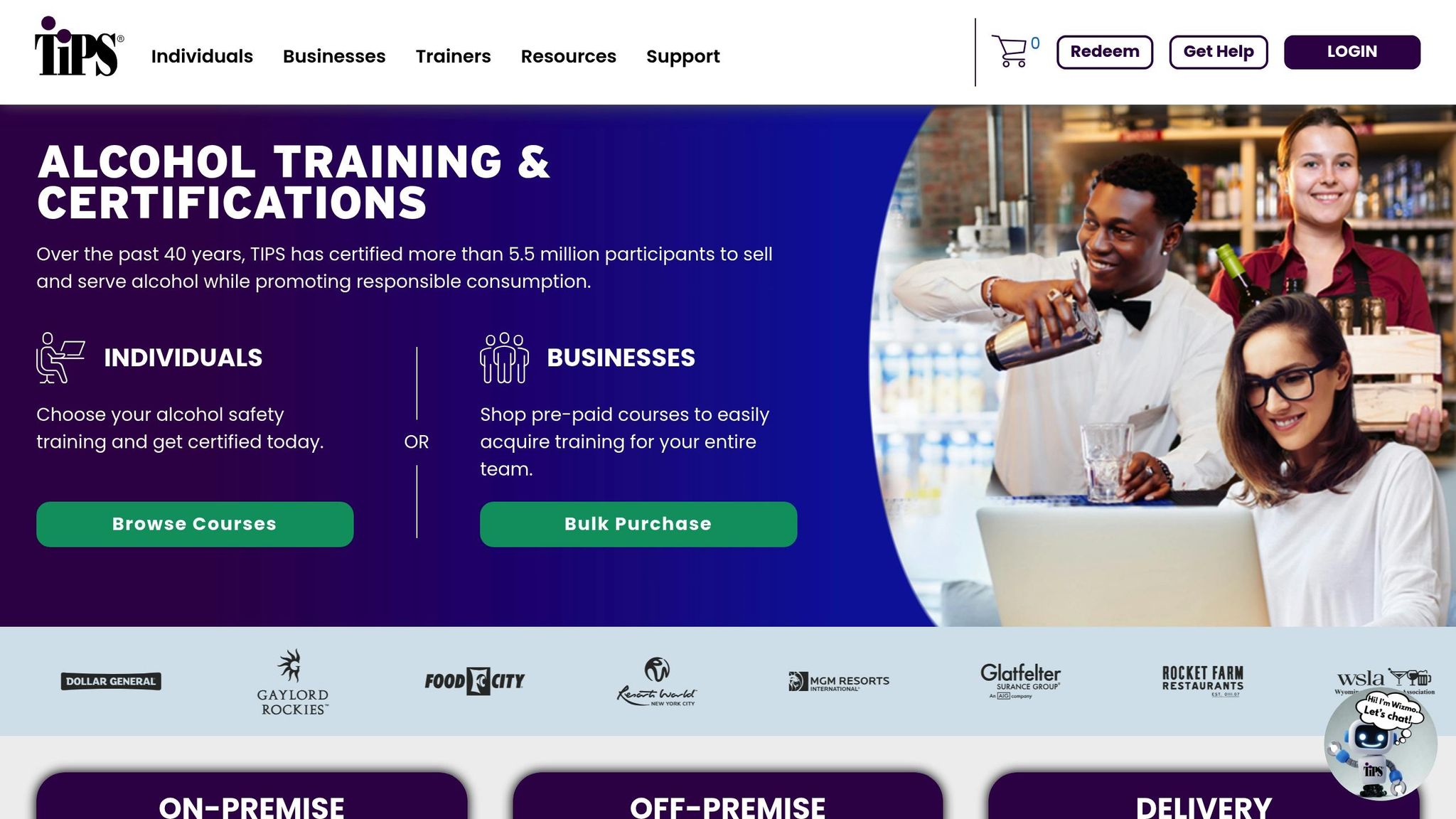
Certifications such as ServSafe and TIPS should be included, along with any management training programs or hospitality-focused courses you’ve completed. These credentials demonstrate your commitment to professional growth and industry standards.
To ensure your resume gets noticed, use industry-specific keywords. Phrases like "restaurant operations", "team development", "customer experience", "inventory management", and "staff training" can help your resume stand out when recruiters search for candidates. Tailor these terms to fit the job descriptions you’re targeting.
Platforms like RR Guy can help you connect directly with recruiters. Upload your resume and set job alerts for positions in your preferred restaurant categories, whether that’s casual dining or fine dining. Also, make sure your resume is formatted for easy digital review.
Don’t overlook the power of a strong summary at the top of your resume. Keep it concise and focused on your achievements. For example:
"Results-driven restaurant manager with 8 years of experience leading high-performing teams in fast-casual and fine dining environments. Proven ability to increase customer satisfaction, cut operational costs, and develop staff. Certified in ServSafe and TIPS."
While your resume outlines your accomplishments, your LinkedIn profile serves as an extension of your professional brand.
Setting Up Your LinkedIn Profile
Your LinkedIn profile is a powerful tool to enhance your visibility and attract recruiters. Start with a headline that goes beyond your job title. Use descriptive language like "Restaurant Manager | Operations Leader | Team Development Specialist" to immediately communicate your expertise.
In the summary section, share your leadership philosophy and key achievements. Keep it brief but impactful. For example:
"Passionate restaurant leader dedicated to delivering exceptional dining experiences and fostering team growth. Increased annual revenue by 15% through strategic menu adjustments and staff training. Specializes in operations, team development, and customer service."
The experience section should mirror your resume by focusing on quantifiable achievements. Use this space to highlight major accomplishments like cost savings, sales growth, or improvements in team performance, giving recruiters a clear picture of your career progression.
Adding skills and endorsements can make your profile more searchable. Include terms like "staff training", "inventory management", "customer service", "budget management", and "operational efficiency." Endorsements from colleagues or supervisors further validate your expertise.
Recommendations are another valuable addition. Ask former colleagues, supervisors, or team members to write testimonials about your leadership style, problem-solving abilities, and overall impact on operations. These endorsements provide third-party confirmation of your strengths.
To further boost your profile, engage with restaurant management and hospitality groups on LinkedIn. Share insights, participate in discussions, and connect with industry professionals. This not only increases your visibility but also positions you as an active participant in the field.
Using hashtags like #RestaurantManagement, #HospitalityJobs, and #Leadership in your posts can help expand your reach. Interact with content from industry leaders and recruiters to show your engagement with the restaurant community.
Keep your profile up-to-date by regularly posting updates and engaging with relevant content. An active LinkedIn presence signals to recruiters that you’re invested in your career and open to opportunities. Don’t forget to include a professional headshot that reflects your role in restaurant management and ensure your contact information is current.
Using Digital Tools and Platforms
Digital tools and platforms have revolutionized how restaurant professionals connect with recruiters, offering direct access to a wide range of opportunities. Let’s explore some key platforms that can help you stand out and land your next role in restaurant management.
Finding Jobs on RR Guy
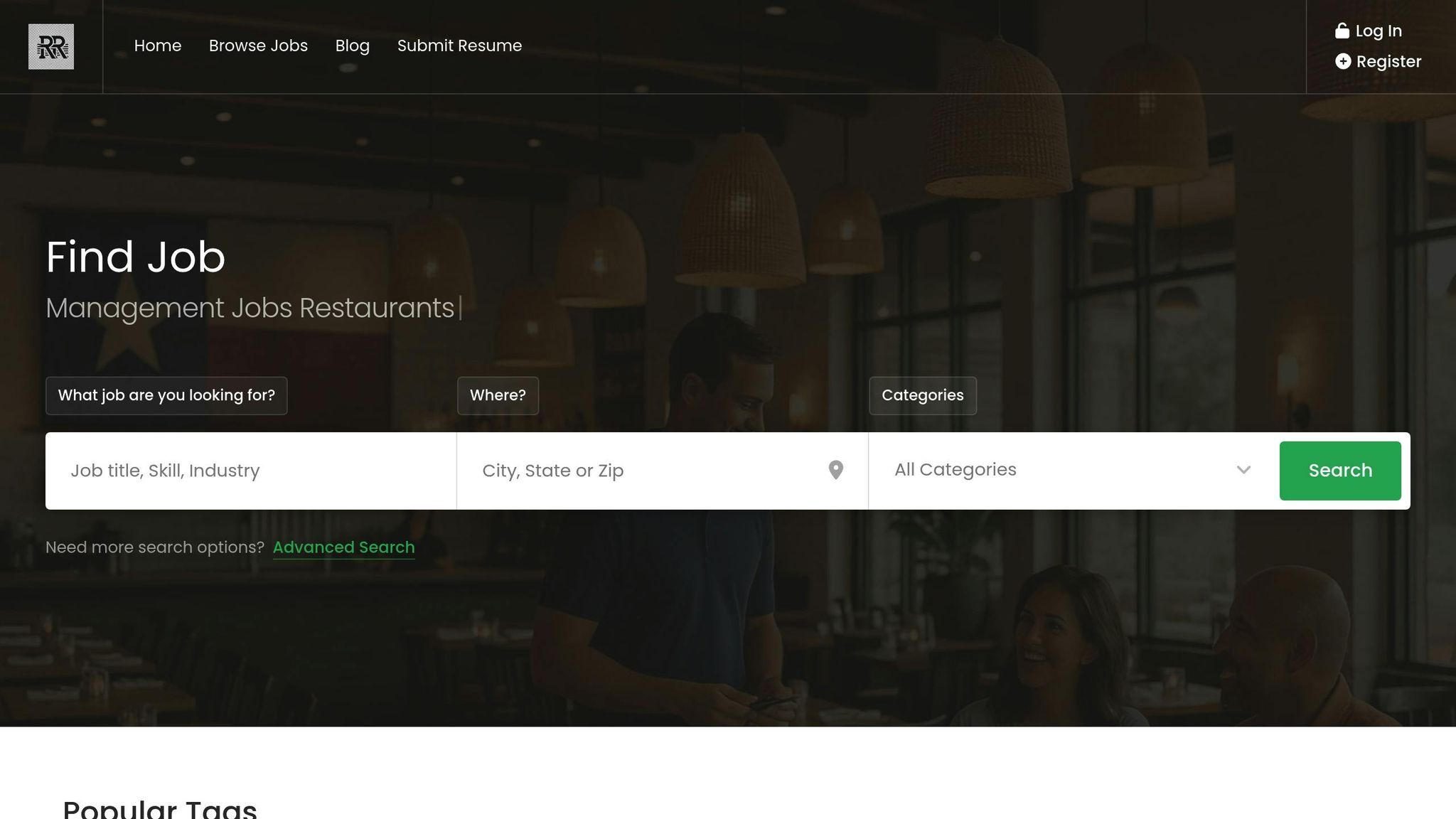
If you’re searching specifically for restaurant management roles, RR Guy is a great place to start. Unlike general job boards, this platform focuses exclusively on management positions in casual dining, fast-casual, and fine dining establishments. With 145 active job listings spanning cities like Los Angeles, CA, and Cleveland, OH, it’s tailored to save you time while increasing the chances of finding the right fit for your career goals.
Setting up your profile is quick and easy. Upload your resume to get it directly in front of recruiters who are actively searching for candidates. The platform’s tagline emphasizes this point: recruiters are actively reviewing submissions.
RR Guy’s Advanced Search feature allows you to filter opportunities by location, experience level, and restaurant type. This ensures you’re focusing on roles that align with your goals. Additionally, job alerts notify you when new positions match your criteria, so you’ll never miss out on relevant opportunities.
Don’t overlook the platform’s Featured Jobs section. This highlights high-priority openings from well-established restaurant groups looking for experienced managers. Regularly browsing this section can help you discover roles that align with your aspirations.
Connecting with Recruiters on LinkedIn
LinkedIn continues to be a powerful tool for building relationships with restaurant industry recruiters. However, success on the platform requires more than just sending out connection requests. To find recruiters in your field, use targeted keywords like "restaurant recruiter", "hospitality recruiter", or "talent acquisition specialist." This will help you identify professionals who specialize in your industry.
When reaching out, personalization is key. A well-crafted, tailored message can significantly improve your chances of a response. For example:
"Hi [Name], I’m a restaurant manager with 5 years of experience in fast-casual dining. I’m eager to explore new opportunities and stay updated on industry trends. I’d love to connect and learn more about potential roles."
Research shows that personalized follow-ups sent within 48 hours can boost response rates by 72% among hospitality decision-makers. Once connected, stay visible by engaging with recruiters’ posts. Like, comment, and share updates about industry trends or job market insights. Posting your own updates can also keep you top-of-mind when recruiters are searching for candidates.
Another useful tool is LinkedIn’s "Open to Work" feature. Enabling this setting and specifying preferences like "restaurant management" or "hospitality leadership" increases your chances of appearing in recruiters’ searches.
Finally, join LinkedIn groups such as "Restaurant Management Network" or "Hospitality Professionals." These groups not only feature job postings but also foster discussions where recruiters are often active. Participating in these conversations can expand your network and create organic opportunities.
Joining Online Professional Groups
Beyond LinkedIn, online communities provide additional networking opportunities to complement your job search strategy. Building a diverse network is critical – professionals with broader connections are 2.8 times more likely to advance to management roles within five years.
Facebook groups like "Restaurant Managers United" offer informal spaces where professionals share advice, post job leads, and discuss industry challenges. Similarly, Reddit forums like r/restaurant and r/KitchenConfidential provide a wealth of insights into current trends and operational challenges in the restaurant world.
Professional associations also host online forums for members. For example, the National Restaurant Association offers digital networking platforms where recruiters often scout for talent. Additionally, many local restaurant associations have online components that connect professionals within specific regions.
The key to success in these groups is consistent, meaningful participation. Share insights from your own management experiences, offer advice to newer members, and engage thoughtfully with others’ posts. By building genuine relationships and demonstrating your expertise, you’ll naturally attract opportunities over time.
sbb-itb-306cd44
Networking at Events and Through Referrals
Even in a world dominated by digital platforms, nothing beats the power of face-to-face networking when it comes to building meaningful connections with restaurant recruiters. While online tools make job hunting easier, in-person interactions often lead to deeper, more impactful relationships. Industry events and personal referrals can open doors to some of the best opportunities in restaurant management.
Approaching Recruiters at Industry Events
Job fairs, conferences, and other industry events are prime opportunities to connect directly with recruiters who are actively seeking talent. These gatherings bring together professionals who are already invested in the hospitality sector, creating a natural setting for authentic conversations that go beyond the limitations of online interactions.
Before attending, take some time to do your homework. Check the event’s website to identify attending recruiters, review their LinkedIn profiles, and create a short list of 3–5 people you’d like to meet. Prepare tailored questions for each contact to help guide your conversations.
When you approach a recruiter, start with a warm introduction and express genuine interest in their work or the roles they’re hiring for. Instead of diving straight into your resume, ask thoughtful questions like, “What qualities make someone successful in the management roles you’re hiring for?” or “What trends are you noticing in restaurant hiring right now?” These kinds of questions show that you’re engaged and thinking about the bigger picture, not just your own needs.
As the conversation progresses, share your accomplishments and experiences that align with the recruiter’s needs. Remember, recruiters are not only assessing your qualifications but also whether you’d be a good fit for the company’s culture. Focus on building a genuine connection rather than just pitching yourself.
To make the most of these events, arrive early, prepare a concise 30-second pitch that highlights your unique value, and take notes during conversations. Don’t forget to exchange contact details and follow up with a clear plan to stay in touch. Beyond traditional events, food festivals and local organization meetings can also be excellent places to network.
Getting Referrals from Your Network
Referrals are one of the most effective ways to connect with recruiters and land job opportunities. In fact, 67% of restaurant operators consider referrals their top recruiting method, and candidates who come through referrals are three times more likely to stay long-term and show double the engagement levels.
Start by letting your colleagues, mentors, and professional contacts know about the type of positions, restaurant concepts, and locations you’re targeting. Ask if they have connections with recruiters or hiring managers at restaurants you admire. A personal introduction often carries far more weight than submitting a cold application.
Look for people in your network who have successfully landed restaurant management roles through recruiters. They might be willing to share insights or even provide introductions.
After meeting a recruiter or receiving a referral, follow up strategically. Within 48 hours, send a personalized message referencing your conversation and a specific detail you discussed. This simple gesture reinforces your interest and keeps you top of mind. Recruiters often focus on building long-term relationships, so maintaining communication can be key to landing the right role.
If someone in your network is helping with a referral, share your resume and a brief summary of your background to make it easier for them to advocate on your behalf. Don’t forget to thank them sincerely and keep them updated on your progress. This approach not only strengthens your network but also turns it into a direct pipeline to potential opportunities.
Maintaining Relationships with Recruiters
Building lasting connections with recruiters can transform a single interaction into a partnership that supports your career journey. These long-term relationships can significantly increase your chances of placement success – up to 96% in some cases.
Following Up and Staying in Touch
Timing is everything when it comes to follow-ups. The first 48 hours after meeting a recruiter are crucial. A personalized message sent within this window can boost response rates by 72% among hospitality decision-makers, compared to generic messages sent later. To make an impact, reference specific details from your conversation to show genuine interest and engagement.
Here’s an example of an effective follow-up message:
"Hi [Recruiter Name], I recently completed my ServSafe Manager certification and led a successful team training. I remain interested in management opportunities and would appreciate any updates. Best, [Your Name]."
This approach is clear, relevant, and highlights your professional growth.
Beyond the initial follow-up, stay connected by scheduling check-ins every 2–3 months or whenever you have significant updates. Share news about new roles, certifications, project successes, awards, or participation in industry events. For instance, if you’ve implemented a process that improved operational efficiency or earned a new certification, these updates can help recruiters align you with the right opportunities.
Consistent communication like this naturally boosts your visibility in the industry.
Staying Visible in the Industry
In addition to regular follow-ups, maintaining an active presence in the industry helps reinforce your professional value. Hospitality professionals with broad networks are 2.8 times more likely to secure management roles within five years.
One of the best tools for staying visible is LinkedIn. Share industry insights, engage thoughtfully with posts from restaurant leaders, and publish content about management challenges and solutions. These actions keep you on recruiters’ radar for future opportunities.
Face-to-face networking is equally important. Attend local restaurant association meetings, food service trade shows, and hospitality conferences to reconnect with recruiters. Volunteering for industry committees or charity initiatives can also enhance your visibility. Collaborating with restaurant owners, executives, and recruiters on professional boards or community events showcases your leadership skills and commitment to the field. Highlighting this involvement on your LinkedIn profile, perhaps by creating a "volunteer portfolio", can make you stand out.
If in-person events aren’t feasible, professional groups and online communities offer great alternatives. Join LinkedIn groups focused on restaurant management, participate in hospitality forums, and attend webinars hosted by industry organizations. Your thoughtful contributions in these spaces can establish your expertise.
Specialized platforms like RR Guy are also worth exploring. Keep your profile updated with recent accomplishments, set up job alerts to stay informed about market trends, and engage directly with recruiters through job postings and messaging. Staying active on these platforms signals your commitment to career growth.
Lastly, don’t underestimate the power of helping others in your network. Referring qualified candidates to recruiters or connecting them with restaurant owners seeking talent demonstrates your networking skills. Employee referrals are a key source of high-quality candidates.
And for a personal touch, consider sending a handwritten note. After a meaningful conversation with a recruiter at an event, a simple thank-you note can leave a lasting impression. In a world dominated by digital communication, this thoughtful gesture can truly set you apart.
Conclusion: Take the Next Step in Your Career
The restaurant industry is fast-paced, and your career growth depends on taking action now. You’ve got the tools and strategies to connect with recruiters and move your career forward – what’s next is putting them into practice.
Start with the basics: update your resume to emphasize key accomplishments like reducing costs or leading successful teams. Next, polish your LinkedIn profile and join restaurant industry groups where recruiters actively look for talent. Building a strong professional network is another essential step – it can open doors to new management opportunities and set the stage for long-term growth.
Digital platforms make connecting with recruiters easier than ever. Create a free account on RR Guy, upload your resume, and set up job alerts to stay updated on openings in casual dining, fast casual, and fine dining. RR Guy specializes in restaurant management positions, giving you access to targeted opportunities that align with your career goals.
Don’t overlook the power of in-person connections. Attend local restaurant association meetings, food service trade shows, and hospitality conferences. These events put you face-to-face with recruiters and hiring managers who can fast-track your career. And don’t forget the follow-up – it’s a small step that can make a big impact.
Referrals can also be a game-changer. Candidates referred by their network often get priority from recruiters and enjoy higher retention rates. In fact, the National Restaurant Association reports that structured networking can cut first-year turnover by nearly 25%. Reach out to former colleagues, mentors, or industry contacts who can recommend you for roles or introduce you to recruiters.
The results speak for themselves. In 2025, Ivan B., a Grocery Manager, found his next career opportunity through RR Guy. Reflecting on the experience, he shared:
"I just wanted to thank Dave for his incredible support throughout my job search. From the very beginning, he was prompt, professional, and genuinely invested in helping me find the right opportunity. Thanks to his guidance and dedication, I’ve just started a new job that I’m truly excited about." – Ivan B., Grocery Manager
Recruiters are highly effective at matching candidates with the right roles, with placement success rates reaching as high as 96% through strategic, long-term relationships. Whether you’re stepping into your first management role or aiming for an executive position, the strategies in this guide are designed to help you build the connections that lead to career success.
It all starts with consistent action and meaningful follow-ups. By combining digital tools with face-to-face networking, you can build the relationships that open doors to leadership opportunities. Your future in restaurant management is waiting – now’s the time to make it happen.
FAQs
How can I make my resume stand out to restaurant recruiters?
Creating a resume that catches the eye of restaurant recruiters means focusing on the experience, skills, and accomplishments that matter most in the industry. Start by using a clean, professional layout that makes your contact information easy to spot. Then, highlight specific achievements that demonstrate your impact, like boosting customer satisfaction, cutting costs, or enhancing team performance.
Customize your resume for each job by incorporating keywords from the job description and spotlighting skills that match the role. For instance, if you’re applying for a management position, make sure to emphasize your leadership abilities, experience with budgeting, and success in team-building. Whenever possible, include measurable outcomes to show your effectiveness – think along the lines of “improved employee retention by 20%” or “increased annual revenue by $50,000.”
To broaden your reach, consider using platforms like RR Guy. These tools make it easier to connect with restaurant recruiters by letting you upload your resume, browse job listings, and set up personalized job alerts. Just ensure your resume is polished and up-to-date before you hit submit – it could make all the difference in landing your next role.
What are the best ways to build long-term relationships with restaurant recruiters?
Maintaining strong ties with restaurant recruiters hinges on consistent communication and a professional approach. One way to do this is by reaching out periodically, even when you’re not actively looking for a job. These check-ins keep you on their radar and demonstrate your genuine interest in staying connected.
Take the initiative to share updates about your career, like recent achievements, certifications, or skills you’ve gained. This not only highlights your growth but also positions you as a strong candidate for future roles. You can also engage with recruiters on platforms like LinkedIn – interact with their posts by liking, commenting, or sharing to build rapport.
Finally, always express gratitude after any interaction, whether it’s an interview or a casual advice session. A thoughtful thank-you email can leave a lasting impression and help nurture a positive professional relationship.
How can attending industry events help me secure a restaurant management role?
Networking at industry events can significantly increase your chances of securing a restaurant management role. These events provide a unique setting to connect face-to-face with recruiters, hiring managers, and industry professionals, giving you the chance to leave a memorable impression that goes far beyond what a resume can convey.
When you attend, it’s not just about showing up – it’s about engaging actively. Use the opportunity to exchange ideas, discover job openings, and build meaningful relationships that could lead to referrals or even job offers. To make the most of these events, come prepared: bring business cards, dress professionally, and be ready to share your experience and career aspirations. Often, these connections can lead to opportunities that aren’t listed on job boards, making them an invaluable resource in your career journey.