Ultimate Guide to Networking for Restaurant Managers
Networking is a critical skill for restaurant managers. It helps you build relationships with suppliers, peers, and mentors, leading to better career opportunities, operational improvements, and business growth. This guide covers how to set clear networking goals, create a plan, and use both in-person and digital strategies to build lasting connections. Key takeaways include:
- Set SMART Goals: Define clear objectives like meeting local restaurant owners, finding mentors, or exploring partnerships.
- In-Person Networking: Attend industry events like the National Restaurant Association Show or local business meetings to meet key players.
- Digital Networking: Use LinkedIn, Instagram, and platforms like RR Guy to expand your reach and maintain connections.
- Follow Up: Always follow up within a week to keep relationships alive.
- Long-Term Maintenance: Regular check-ins and providing value to your network ensure relationships stay strong.
Setting Networking Goals and Planning Your Strategy
Building on the benefits discussed earlier, having a well-thought-out networking strategy can make a big difference. A clear plan transforms random efforts into focused, impactful actions. Restaurant managers who approach networking with a strategy are more likely to achieve their goals – whether that’s career growth, forming partnerships, or gaining insights into the industry.
Identifying Your Networking Goals
The most effective restaurant managers rely on the SMART framework to define their networking objectives. Instead of vague intentions like "meet more people", they set specific and measurable goals that align with their career stage and current priorities.
For many, career advancement is a key focus. For example, you might aim to "connect with five local restaurant owners at the next chamber of commerce event within the next month" or "schedule two informational interviews with industry leaders each quarter". These clear targets provide a sense of direction and a way to gauge progress.
If you’re a newer manager, mentorship and learning goals might be more relevant. You could set a goal to identify three potential mentors in your area within 90 days and send personalized messages to request short meetings. On the other hand, more experienced managers might prioritize partnership opportunities by connecting with suppliers, local businesses, or other restaurant managers to explore cross-promotional activities.
Another important area is staying updated on industry trends. This could involve attending a major industry conference annually, joining a professional association, or connecting with technology vendors that specialize in restaurant solutions.
For those just starting out, focusing on mentorship and learning is a smart way to build a strong foundation. Meanwhile, seasoned professionals might aim for leadership roles in industry groups or work on forming strategic partnerships.
Building Your Networking Plan
Once your goals are clear, it’s time to organize your efforts. Successful managers treat networking like a business process, complete with systems for tracking and regular follow-ups.
Managing contacts is the backbone of any networking plan. Use tools like CRM systems or simple spreadsheets to keep track of interactions, as mentioned earlier. Record details about new contacts and schedule follow-ups within a week to maintain momentum.
Choosing events wisely is another critical step. High-profile industry gatherings, such as the Restaurant Leadership Conference, attract over 1,700 restaurant leaders and feature 65+ sessions and 100+ speakers from top brands. Similarly, the Bar & Restaurant Expo brings together over 13,000 professionals and 500+ suppliers. These events offer excellent opportunities to meet influential people.
Don’t overlook local events, though. Monthly business association meetings often provide more meaningful connections than large social gatherings. Aim for a mix of high-impact industry events and smaller, local networking opportunities to create a well-rounded schedule.
Follow-up systems are what separate effective networkers from those who simply collect business cards. Set calendar reminders for follow-ups and organize contacts into categories like mentors, suppliers, peers, or potential employers. This ensures you stay on top of your relationships.
Managing your time is essential to avoid letting networking interfere with your daily responsibilities. Dedicate specific times each week or month for networking activities, whether it’s attending events, reaching out to contacts, or engaging on professional platforms. Even 30 minutes of weekly follow-up can yield meaningful results.
Tracking your progress helps ensure you’re meeting your goals. Monitor metrics like the number of new contacts, follow-ups completed, events attended, and tangible outcomes like job offers, partnerships, or referrals. Reviewing these numbers monthly allows you to refine your approach as needed.
For restaurant managers exploring career opportunities, platforms like RR Guy can be a valuable addition to your strategy. This platform offers tools for submitting resumes, browsing job listings, setting up job alerts, and connecting with restaurant-focused recruiters who can help you access relevant roles and industry leaders.
With your goals in place and a structured plan ready, you’re set to dive into practical networking methods tailored to your career in restaurant management.
Networking Methods That Work for Restaurant Managers
Having a clear networking plan is essential for restaurant managers who want to grow their careers and build their businesses. By combining face-to-face interactions with digital strategies, you can expand your professional circle and uncover new opportunities. The trick is to choose the right methods for your goals and execute them with purpose.
Face-to-Face Networking Methods
Industry events like conferences and trade shows are some of the best places to make connections. For example, the National Restaurant Association Show in Chicago draws over 50,000 foodservice professionals each year. It’s a prime chance to meet suppliers, technology providers, and peers from across the country.
The Restaurant Leadership Conference in Phoenix is another standout event. With over 1,700 restaurant leaders and more than 100 speakers from brands like Shake Shack and Dutch Bros Coffee, this conference offers networking events, workshops, and breakout sessions that encourage meaningful professional relationships.
Professional organizations are also excellent for networking year-round. The National Restaurant Association connects members through local chapters, making it easier to build relationships in your local market. Similarly, joining your local chamber of commerce or participating in food advocacy groups can open doors to collaborations and partnerships.
Getting involved in your community is another way to expand your network. Participating in food festivals, charity events, or local business partnerships not only strengthens your restaurant’s reputation but also introduces you to influential community members. For instance, one pizzeria teamed up with a nearby movie theater to offer discounts, boosting sales and foot traffic for both businesses.
While face-to-face networking creates immediate connections, digital methods allow you to broaden your reach far beyond your local area.
Digital Networking Approaches
LinkedIn is a must for restaurant managers aiming to grow their professional network. Use the platform to connect with industry peers, join relevant groups, and share your expertise. Regularly updating your profile and engaging in discussions keeps you visible and helps maintain relationships.
Instagram can do double duty by showcasing your restaurant’s personality and connecting you with others in the industry. Sharing behind-the-scenes content and interacting with customers or peers through comments and direct messages can lead to real results. For example, a small-town diner promoted its new brunch menu on Instagram, collaborated with local influencers, and packed the house on opening day.
Platforms like RR Guy are specifically designed for restaurant professionals. They provide job listings and networking tools tailored to the industry, allowing you to set up alerts and connect with leaders who understand your challenges.
Conference mobile apps are another digital tool worth exploring. Many major events now offer dedicated apps that let attendees connect before, during, and after the conference, extending the value of your networking efforts.
Finally, online industry groups and forums offer ongoing opportunities to share insights and build relationships. By participating in discussions and offering advice, you can establish yourself as a knowledgeable professional while connecting with peers across the country.
Once you’ve made those connections, the next step is starting meaningful conversations.
Starting Conversations and Building Connections
Breaking the ice at networking events doesn’t have to be awkward. Open-ended questions often lead to more engaging conversations. Instead of asking, "How’s business?" try something like, "What’s your favorite dish to serve?" or "What trends are you noticing in the industry?" These types of questions show genuine interest and can spark lively discussions.
Having a polished elevator pitch is another key tool. Your pitch should quickly explain who you are, what you do, and what sets you apart. Practice it until it feels natural so you can make a strong first impression.
Active listening is just as important as talking. By paying attention to what others are saying and asking thoughtful follow-up questions, you can find common ground and create deeper connections.
Personalizing your conversations can also make a big difference. Mentioning recent industry trends, shared challenges, or mutual contacts keeps the dialogue engaging. For example, if someone brings up a specific supplier or technology, sharing your own experience or asking insightful questions can lead to a productive exchange.
Don’t forget about business cards. Always carry them with you, and when exchanging cards, jot down a quick note about your conversation to help with follow-ups later.
Smaller settings, like breakout sessions and workshops at conferences, provide another great opportunity to connect. These intimate gatherings often foster deeper conversations with people who share similar interests or challenges.
Finally, follow up within a week to keep the momentum going. Send a personalized email or LinkedIn request that references something you discussed. This small gesture can help solidify the relationship and keep the connection alive.
Maintaining Professional Relationships Long-Term
Creating connections is just the beginning; the real value lies in nurturing them over time. Restaurant managers who actively maintain their professional networks often find themselves with more opportunities, stronger partnerships, and a dependable support system when challenges arise.
Following Up After Initial Contact
Timely follow-ups are essential. Reaching out within 24–48 hours keeps the conversation fresh and shows genuine interest.
Make your follow-up personal and specific. Reference something from your initial conversation, like: "I really enjoyed hearing about your passion for farm-to-table dining at the festival – let’s dive deeper into sourcing local ingredients sometime soon."
"Dave was great! He presented clear communication, timely follow-up, and really created a connection with me." – Scott A, AGM Fast Casual
When connecting on LinkedIn, include a short note mentioning where you met and what you discussed. For email, keep your message warm and concise – maybe even share a helpful resource related to your earlier conversation.
To stay organized, track follow-up dates digitally. Consistency in your follow-ups lays the foundation for lasting relationships.
Keeping Relationships Active
Initial outreach is just the start; regular check-ins strengthen relationships over time. Simple quarterly touchpoints, like grabbing a quick coffee or sending a congratulatory message about a recent achievement, keep you on a contact’s radar.
Social media is another great tool for staying connected. Use LinkedIn to comment on posts, share relevant articles, or congratulate contacts on their accomplishments. A quick message like "Congrats! The new menu concept looks fantastic" can leave a positive impression.
Adding value to every interaction is crucial. Share industry news, connect your contacts with others who could support their goals, or offer advice on challenges you’ve faced. This builds trust and positions you as a reliable resource when new opportunities arise.
"Dave was always on top of everything – coordinating quickly, following up without delay, and making sure I was well-prepared at every step." – Ivan B, Grocery Manager
Seasonal outreach can also be impactful. Reaching out before major holidays or during peak times shows that you understand the rhythm of the industry. Remembering key dates, like a restaurant’s anniversary or a grand opening, allows you to send thoughtful, timely messages that reinforce your support.
Using Referral Networks
Strong, ongoing relationships naturally evolve into powerful referral networks. For example, partnerships like a pizzeria teaming up with a nearby movie theater to offer reciprocal discounts can boost sales and drive foot traffic.
Professional referrals are equally important. When you maintain good relationships with other restaurant managers, suppliers, and industry professionals, they’re more likely to recommend you for job openings or business opportunities. Platforms such as RR Guy offer tools for not just job postings but also connecting with leaders who can help advance your career.
Community involvement is another way to grow your referral network. Joining local business groups, participating in charity events, or attending food festivals introduces you to potential customers, suppliers, and collaborators. These interactions often lead to unexpected opportunities.
Reciprocity is the cornerstone of referral networks. If someone refers customers to your business or helps you with a job lead, find ways to return the favor – whether that’s recommending their restaurant, sharing their job listings, or introducing them to helpful contacts.
Finally, keep referral networks active with regular communication. Periodic check-ins with key partners not only strengthen relationships but may also uncover new ways to collaborate. Over time, these efforts transform casual connections into a reliable, supportive network that can fuel your career and business growth.
sbb-itb-306cd44
Using Specialized Tools and Platforms
The right digital tools can turn your networking efforts into strategic career moves. For restaurant managers, specialized platforms now make it easier to connect directly with key players in the industry.
Using RR Guy for Career and Networking Growth
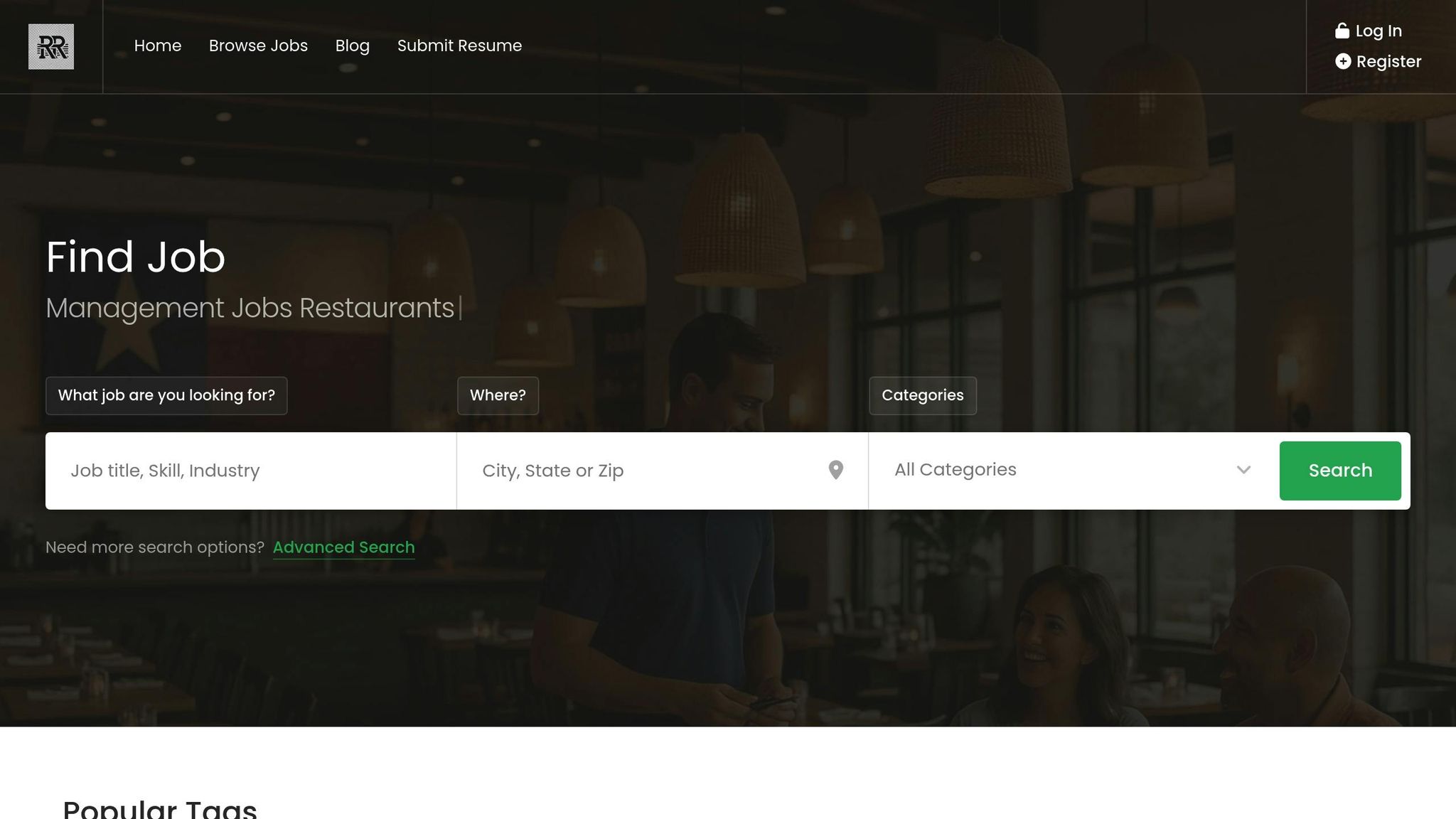
RR Guy is a job board designed specifically for restaurant management positions. Unlike general job sites, it’s tailored to the restaurant industry, offering job listings by category – from casual dining to fine dining and everything in between.
The platform doesn’t just stop at job postings. Its resume tools and job alerts connect you with recruiters who specialize in restaurant management roles. By uploading your resume, you’re tapping into a network of professionals who can offer personalized guidance throughout your job search.
One standout feature is the employer dashboard, which facilitates direct communication with hiring managers. This makes it easier to have meaningful conversations about potential opportunities. You can also set up job alerts tailored to your preferred dining categories and locations, so you’re always in the loop when relevant positions open up.
Perhaps the best part? RR Guy is free for candidates. You can upload your resume, explore job opportunities, and connect with recruiters without spending a dime. Plus, the platform offers educational resources through its blog, covering topics like restaurant management salaries and resume tips to help you stay competitive in the job market. By combining RR Guy with other online platforms, you can create a well-rounded networking strategy.
Making the Most of Online Platforms
While RR Guy offers industry-specific tools, pairing it with broader platforms can amplify your networking efforts. LinkedIn is a must for professional connections, giving you a way to maintain relationships with hiring managers you meet through RR Guy.
Social media platforms like Instagram and Facebook also provide unique opportunities. Restaurant managers can share highlights such as successful events, new menu launches, or team achievements. These posts can attract attention from industry peers and potential employers.
The key is to integrate your efforts across platforms. For instance, you might find a job on RR Guy, apply through their system, and then connect with the hiring manager on LinkedIn to keep the conversation going. This multi-platform approach boosts your visibility and shows your dedication to building professional relationships.
Joining online groups and forums specific to the restaurant industry is another way to expand your network. Engaging in discussions about industry trends or seeking advice on common challenges helps you stand out as an active and knowledgeable professional.
Event-specific mobile apps are also worth exploring. At major conferences like the National Restaurant Show – which draws over 13,000 foodservice professionals – these apps can help you schedule meetings and manage contacts digitally. They work seamlessly with platforms like RR Guy to ensure you maintain connections from in-person events.
To maximize your impact, regularly update your profiles across all platforms. Consistent messaging about your experience and career goals is crucial. Stay active by commenting on industry posts, sharing relevant articles, and engaging with content to remain visible in your professional network. This consistent effort helps solidify your presence and keeps you top of mind for opportunities.
Conclusion: Networking as a Career-Long Process
Networking isn’t just a one-time activity – it’s a career-long investment that pays off in countless ways. For restaurant managers, cultivating professional relationships is especially important in an industry that’s constantly evolving with new trends, challenges, and opportunities. Your network becomes your compass, helping you navigate these changes and seize the right opportunities.
Key Takeaways for Restaurant Managers
Let’s revisit some essential strategies for effective networking. First, it all begins with setting clear and adaptable goals. Whether you’re looking for mentorship, exploring innovative management strategies, or planning your next career move, having a focus ensures your efforts are purposeful. These goals will naturally shift as your career progresses – from understanding the basics of the restaurant world to forming strategic partnerships or mentoring others.
As we’ve discussed, networking thrives on a combination of clear objectives, varied approaches, and thoughtful follow-ups. Attending industry events in person leaves a lasting impression, while digital tools help maintain those connections over time. Both approaches are vital for meeting peers, suppliers, and even potential employers within the restaurant space.
To enhance your digital networking, platforms like RR Guy can be a game-changer. Specifically designed for restaurant management professionals, RR Guy connects you with recruiters who understand your unique needs. It offers free tools like job listings, resume resources, and direct employer connections, making it an indispensable addition to your networking arsenal.
Building and maintaining relationships requires consistent effort. Regularly follow up with contacts, share relevant industry updates, and offer support when you can. These small gestures keep your connections alive and often lead to surprising opportunities and insights.
Keeping Your Networking Momentum Alive
Consistency is key to successful networking. Set achievable goals for yourself – like attending one industry event every quarter, reaching out to five new professionals each month, or reconnecting with existing contacts every six weeks. Tracking your progress ensures you stay on course.
A hybrid approach, blending in-person and digital networking, is especially effective. For example, use mobile apps at conferences to schedule meetings ahead of time, then continue those conversations on LinkedIn or platforms like RR Guy. This combination allows you to maximize your efforts and maintain strong relationships.
Stay ahead of industry changes by engaging with thought leaders at events and participating in online discussions. These activities not only keep you informed but also help you forge informal connections that can be just as valuable.
Every interaction you have is an investment in your future. The person you meet today could be the one opening the door to your dream job tomorrow. Over time, your networking efforts create a ripple effect, leading to new opportunities, partnerships, and personal growth.
"Thank you, Dave, for everything. I’m grateful for your help and would gladly recommend you to anyone looking for their next career move."
– Ivan B, Grocery Manager
FAQs
How can restaurant managers successfully network while managing their daily tasks?
Balancing networking with your daily workload can feel like a juggling act, but it’s an important part of growing your career and expanding your professional circle. A great way to make it manageable is by weaving networking into your routine. For instance, you could attend local industry meetups, strike up conversations with colleagues during quieter moments, or participate in online communities focused on restaurant management, such as RR Guy. These platforms can help you connect with like-minded professionals and stay in the loop on industry trends.
Effective time management is crucial here. Set aside specific blocks of time each week for networking activities – whether that means replying to messages, setting up informal coffee chats, or contributing to industry discussions. When you treat networking as a regular task on your calendar, it becomes less overwhelming and easier to balance with your daily responsibilities.
How can restaurant managers build and maintain strong professional relationships in the industry?
Building and nurturing strong professional relationships in the restaurant industry takes consistent effort and a sincere approach. A good starting point is attending industry events, trade shows, or local meetups, where you can meet peers and potential mentors. When you meet someone new, make it a priority to actively listen and express genuine curiosity about their experiences.
To keep these connections strong, reach out periodically – whether through email, a quick phone call, or even social media. You can share useful resources, celebrate their achievements, or simply check in to see how they’re doing. The key is to build trust and offer support without expecting anything in return. Being consistent and authentic will help you cultivate a professional network that can truly enhance your career.
How can tools like RR Guy help restaurant managers build their professional network?
Tools like RR Guy can make it much easier for restaurant managers to connect with industry professionals and discover job opportunities. These platforms provide features like tailored job listings, resume submissions, and alerts for roles that align with their skills and experience.
By leveraging these tools, managers can keep up with hiring trends and establish valuable connections with potential employers. This not only helps them advance their careers but also expands their professional network in the process.