

Complete Guide to Restaurant Management Salaries
Restaurant management salaries depend on factors like role, location, experience, and restaurant type. Here’s what you need to know:
- Roles and Pay: Assistant Managers earn less than General Managers due to fewer responsibilities. General Managers, responsible for overall operations, earn the most.
- Location Matters: Urban areas like New York or Los Angeles offer higher pay but come with higher living costs. Midwest or Southeast regions align more closely with national averages.
- Restaurant Type: Fine dining managers often earn more than those in fast food or casual dining due to higher service standards and operational complexity.
- Experience and Education: Advanced degrees, certifications, and specialized skills (e.g., tech proficiency) can boost salaries.
- Trends: Labor shortages and tech adoption are influencing pay structures. Perks like signing bonuses, profit-sharing, or flexible benefits are increasingly common.
Understanding these factors can help you evaluate your compensation and negotiate effectively. Whether you’re starting out or advancing your career, knowing your worth is key to securing the right pay.
Become a Restaurant Manager? Salary, Jobs, Education (2022)
Restaurant Management Roles Overview
Restaurant management includes various positions, each with distinct responsibilities and earning potential. Knowing these roles can help you map out your career goals and set realistic salary expectations based on your skills and experience. Below is a breakdown of key management roles and what they entail.
Main Management Positions
Assistant Manager is often the first step into leadership. This role involves supporting the general manager with daily tasks, supervising staff during shifts, and addressing customer concerns. Assistant managers typically work evenings and weekends, gaining valuable hands-on experience in all aspects of operations.
Restaurant Manager takes on broader responsibilities, overseeing daily operations across multiple departments. This includes creating staff schedules, managing inventory, and ensuring customer satisfaction while reporting to upper management. Strong leadership and problem-solving skills are essential for this role.
General Manager is responsible for the restaurant’s overall success and profitability. Duties include managing budgets, hiring and training management staff, and acting as the main point of contact with owners or corporate offices. General managers need extensive experience and a proven track record in restaurant operations.
Front of House Manager focuses on customer-facing areas like the dining room, host operations, and bar service. Their goal is to create a positive guest experience while managing servers, hosts, and bartenders. This role demands excellent communication skills and a deep understanding of service standards.
Back of House Manager oversees kitchen operations, ensuring food quality and adherence to safety protocols. They manage kitchen staff, enforce health department regulations, and maintain high culinary standards. A background in culinary arts and food safety is often required for this role.
Job Duties by Role
The scope of responsibilities grows with each management level, directly impacting pay.
- Assistant Managers focus on shift supervision and basic administrative tasks like opening and closing procedures, cash handling, and coordinating staff during shifts. Their role is operational rather than strategic.
- Restaurant Managers take on more complex duties, including staff scheduling, inventory management, and performance evaluations. They also manage vendor relationships and ensure compliance with company policies, which requires greater expertise and earns higher compensation.
- General Managers are responsible for financial planning, sales analysis, and strategic decisions. They develop marketing strategies, oversee key hiring, and focus on overall profitability. These advanced responsibilities set them apart as top earners in the industry.
"Experienced Restaurant Managers already know how to manage a restaurant efficiently and have well-developed leadership and problem-solving skills." – OysterLink
Leadership roles in larger teams or more intricate operations typically come with higher pay. Practical experience is key to moving up the ladder, but formal education in fields like culinary arts, hospitality management, or business administration can accelerate career growth. Certifications such as ServSafe Manager or Certified Restaurant Manager also enhance qualifications and boost earning potential.
The restaurant industry places high value on a mix of hands-on experience and strong leadership skills. Those who combine these qualities with formal education are well-positioned for top-tier roles and faster career progression. These responsibilities set the stage for the salary comparisons discussed in the next section.
Salary Ranges by Management Role
When considering management roles in the restaurant industry, understanding salary expectations is key. These figures provide a clear picture of what you can anticipate based on your role and responsibilities. Below, we break down both annual and hourly pay data, along with a comparison chart for quick reference.
Annual and Hourly Pay Data
Salaries for restaurant managers in the U.S. vary depending on the data source. For example, one study lists the average annual salary at $54,962 as of October 24, 2025. Meanwhile, Indeed‘s analysis of over 36,000 salaries places the figure slightly higher, at $60,807 per year as of October 26, 2025. Another report cites the median salary for restaurant management professionals at $57,886 annually, which breaks down to $22.26 per hour. Managers working longer hours – between 50 and 60 hours per week – can see hourly rates rise to $23.10.
For General Managers, salaries are typically higher. Across North America, the average salary for restaurant general managers is $65,310 annually, or $31.40 per hour. Quick Service Restaurant (QSR) managers, on the other hand, earn about $40,456 annually, equating to $19 per hour.
The type of restaurant you manage also impacts your earnings. Managers at casual dining establishments average $69,466 per year, including bonuses, while those in upscale dining settings can earn around $90,000 annually.
Salary Comparison Chart
Here’s a breakdown of salary ranges across different management roles and restaurant types:
| Management Role | QSR/Fast Food | Casual Dining | Fine Dining | National Average |
|---|---|---|---|---|
| Restaurant Manager | $40,456 | $69,466 | $75,000–$85,000 | $54,962–$60,807 |
| General Manager | $45,000–$55,000 | $50,000–$65,000 | $70,000–$90,000 | $65,310 |
Factors like location, years of experience, and additional certifications can also influence these figures. Use this information as a benchmark when evaluating your potential earnings in the restaurant management industry.
Pay Differences by Location
Where you work can have a big impact on what you earn as a restaurant manager in the United States. Salaries often reflect the cost of living in a particular area, which varies widely across the country.
Pay by Region
In cities like New York, Los Angeles, and San Francisco, restaurant managers tend to earn higher salaries. This is largely because these areas have higher living costs and increased operational expenses. On the flip side, salaries in many parts of the Southeast and Midwest align more closely with national averages, thanks to their lower living expenses. Generally, urban centers offer higher pay compared to smaller towns or rural areas. These regional differences provide important context for understanding how other factors can shape compensation.
Cost of Living Impact
The cost of living heavily influences salary levels. In pricier regions, employers often offer higher wages and additional perks such as housing allowances or transportation benefits to offset expenses. When evaluating a job offer, it’s important to look beyond the base salary. Consider the full compensation package, including benefits and local costs like housing, taxes, and transportation, to understand your actual purchasing power.
sbb-itb-306cd44
How Restaurant Type and Size Affect Pay
The type and size of a restaurant play a big role in shaping management salaries. These factors influence both the level of compensation and the complexity of the responsibilities involved.
Pay by Restaurant Type
Different types of restaurants offer varying compensation levels based on the nature of their operations:
- Fast food and quick-service restaurants: These typically provide entry-level salaries but often include structured training programs and clear career advancement opportunities.
- Casual dining establishments: Managers here take on broader responsibilities, including overseeing daily operations and customer service, which translates to moderate pay levels.
- Fine dining restaurants: Due to their high service standards, advanced culinary demands, and detailed operational management, these venues offer higher salaries to reflect the expertise required.
- Chain restaurants: Salaries here are often standardized, with additional benefits and bonus programs. Corporate-owned locations usually have predictable pay structures and regular reviews, while franchise operations may vary.
- Independent restaurants: These may provide more flexible compensation models, including profit-sharing or unique incentives, depending on the owner’s preferences.
The size of the restaurant also significantly impacts pay levels.
Restaurant Size Impact on Pay
The scale of a restaurant’s operations directly affects management compensation:
- Smaller venues: These typically offer lower salaries, as the scope of responsibilities is more limited.
- Larger establishments: With broader operations and higher revenues, these venues require advanced financial and staffing oversight, which justifies higher pay.
- Multi-unit management roles: Positions like district or regional managers, which involve overseeing multiple locations, command higher salaries. These roles require strong analytical skills, frequent travel, and the ability to maintain consistent standards across various sites.
- Urban locations: Restaurants in high-density cities often deal with more complex operational challenges, leading to elevated pay for managers who can navigate these demands effectively.
In short, both the type and size of a restaurant are key factors in determining management pay, reflecting the varying levels of responsibility and expertise required.
What Affects Restaurant Management Salaries
When it comes to restaurant management salaries, factors like the type and size of the establishment play a role, but there’s more to the equation. A mix of experience, education, additional responsibilities, and even industry trends can influence earning potential – and open doors for career growth.
Experience and Education Matter
The more experience you have in the restaurant industry, especially across diverse settings, the higher your chances of earning a better salary. Advanced education, like a degree in hospitality or business, can also give you an edge over someone with just a high school diploma. On top of that, professional certifications – especially those recognized in upscale dining environments – can make your resume stand out and lead to higher pay.
But it’s not just about formal qualifications. Taking on more responsibilities, like overseeing multiple aspects of restaurant operations, can significantly enhance your earning potential.
The Role of Extra Duties and Skills
Taking on additional tasks can directly impact your paycheck. For instance, managing inventory, controlling costs, running marketing campaigns, and training staff all contribute to a restaurant’s profitability – and managers who excel in these areas often see higher salaries.
Tech skills are also a big deal. Being proficient in modern tools like point-of-sale (POS) systems, scheduling software, and data analytics can make you invaluable. Even bilingual communication skills can set you apart in diverse restaurant environments, boosting your compensation.
How Industry Trends Influence Salaries
The restaurant industry isn’t static – it’s constantly evolving, and these changes affect how managers are compensated. Labor shortages, inflation, and broader economic shifts have led many restaurants to rethink their pay structures. Some now offer signing bonuses, performance-based incentives, or even profit-sharing to attract and retain top talent.
The rise of delivery services, contactless ordering, and automated systems has also created demand for managers who are comfortable with technology. At the same time, there’s a growing focus on sustainable practices and flexible work arrangements. To stay competitive, many restaurants now include benefits like flexible paid time off, health insurance contributions, and professional development opportunities as part of their compensation packages.
All these factors combined show how dynamic the restaurant management field can be – and why staying adaptable and skilled is key to advancing your career.
Career Growth and Salary Negotiation Tips
When it comes to restaurant management, advancing your career and securing a better salary requires a proactive approach. It’s about knowing your worth, showcasing your impact, and navigating conversations with confidence.
Evaluating Your Pay Potential
Before diving into a salary discussion, start with research. Look into current salary ranges for similar roles in your area by browsing job postings. Take note of your accomplishments – like cutting food waste by 15% or boosting customer satisfaction scores – and use them as evidence of your contributions. Don’t just focus on the base salary; evaluate the entire compensation package, including bonuses and benefits, and compare your responsibilities to industry norms.
Salary Negotiation Methods
Timing matters. Choose moments like performance reviews, after successfully completing a major project, or when you’re taking on new responsibilities to start the conversation. Avoid busy seasons or times when the company is under financial strain. Come prepared with market data and specific examples to back up your request. For instance, you might say, “Considering my performance and the current market rates, I believe $65,000 reflects my value.”
If an immediate raise isn’t an option, explore alternatives like extra paid time off or a more flexible schedule. You can also ask for clear performance benchmarks that could lead to a future pay increase. Throughout the discussion, keep the tone professional and respectful.
Using RR Guy for Career Growth
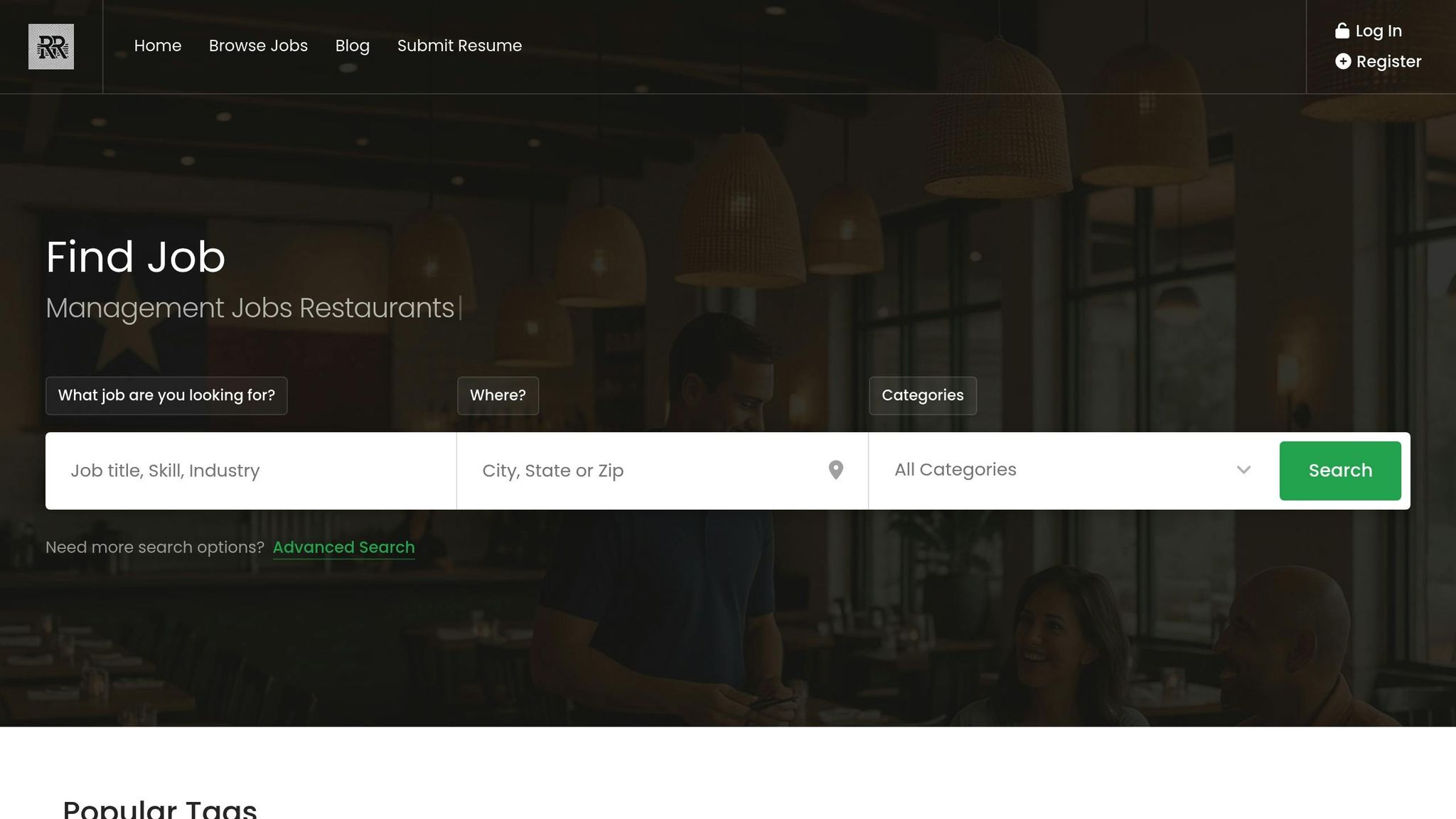
RR Guy is a powerful tool for restaurant managers looking to level up. With job alerts and advanced search features, you can stay informed about market trends and find higher-paying roles across different restaurant sectors. The candidate dashboard streamlines your job applications, while the blog offers valuable tips on skill development and industry insights. Best of all, it’s completely free, making it an excellent resource for researching compensation trends and positioning yourself for better opportunities.
Conclusion
Throughout this guide, we’ve seen how restaurant management salaries are influenced by a range of factors, including specific job responsibilities, location, and the type of establishment. For instance, an RR Guy listing highlights a Restaurant General Manager role in Cleveland, OH, with a salary range of $80,000 to $90,000. While compensation can fluctuate based on these variables, understanding your market value is essential for making informed career choices. Taking charge of your career path is just as important as the work you do every day.
To position yourself for success, make it a habit to document your accomplishments, research current market trends, and approach salary negotiations with careful timing and preparation. These steps can help ensure you secure a compensation package that matches your skills and experience.
RR Guy is here to back you up with transparent job postings, clear salary ranges, and hands-on recruiter support. They even offer personalized resume reviews to help you stand out. As one happy candidate shared:
"Dave provided incredible support throughout my job search. From the very beginning, he was prompt, professional, and genuinely invested in helping me find the right opportunity. Thanks to his guidance and dedication, I’ve just started a new job that I’m truly excited about." – Ivan B, Grocery Manager
FAQs
How do restaurant management salaries compare between urban and rural areas, and what should I consider when evaluating a job offer in an expensive city?
Restaurant management salaries can vary widely depending on location, especially when comparing urban and rural areas. In bustling cities like New York, Los Angeles, or San Francisco, salaries often average around $75,000 per year. This higher pay is designed to offset the steep cost of living in these metropolitan areas. Meanwhile, rural locations typically offer lower salaries, but it’s worth noting that living expenses in these areas are usually much more affordable.
If you’re considering a job in a high-cost city, it’s crucial to determine whether the offered salary is sufficient to cover local living expenses. Beyond just the paycheck, take a close look at additional perks like health insurance, retirement plans, paid time off, and meal discounts. These benefits can play a big role in shaping your overall compensation and should be factored into your decision-making process.
What skills or certifications can help me increase my salary as a restaurant manager?
Building the right skills and obtaining relevant certifications can have a big impact on your earning potential as a restaurant manager. Some of the most important skills include leadership, financial management, customer service, and staff training. Gaining hands-on experience in these areas can set you apart in the field.
Adding certifications to your resume, such as the Certified Manager (CM) credential, can further strengthen your qualifications. This certification highlights your ability to take on managerial responsibilities effectively – something highly valued in the restaurant industry. By pairing practical skills with recognized certifications, you can open doors to better-paying roles and long-term career advancement.
What are the best strategies for negotiating a higher salary or better benefits as a restaurant manager?
To negotiate for a higher salary or better benefits in restaurant management, start by doing your homework. Look into industry standards to get a clear picture of typical pay ranges for your position, factoring in your location and level of experience. Understanding your market value not only helps you set realistic goals but also boosts your confidence when it’s time to talk numbers.
Next, showcase your achievements and skills that directly impact the restaurant’s success. Be ready to back up your case with concrete examples – did you help increase revenue, streamline operations, or boost customer satisfaction? Highlighting these accomplishments will demonstrate your value to the business.
When it’s time to negotiate, think beyond just the base salary. Consider the full compensation package, which might include bonuses, health insurance, paid time off, or opportunities for professional growth. Approach the discussion with professionalism, focusing on how the arrangement can benefit both you and your employer. Staying open to compromise can lead to a solution that works for everyone.